
Bail Bond Collateral in Georgia: What Charles Shaw Taught Us About Risk
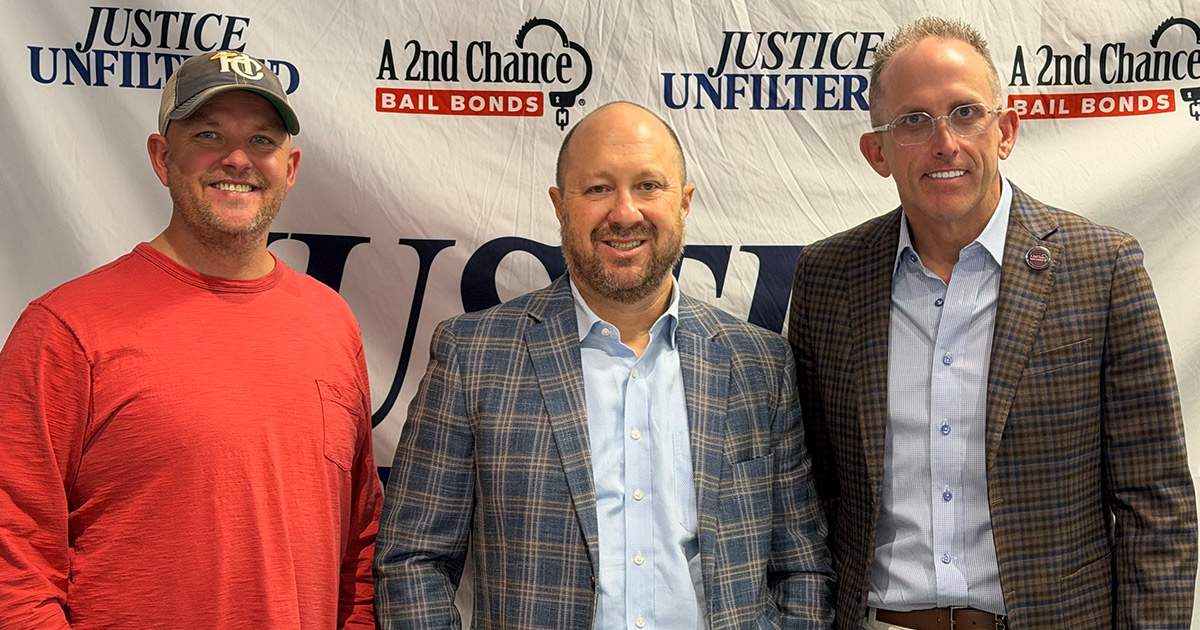
Bail bond collateral in Georgia is what a bond agent relies on to reduce the risk of writing a bond. In most cases it comes down to cash or a lien on real estate, backed by a co-signer the agent trusts. On a recent episode of Justice Unfiltered, presented by A 2nd Chance Bail Bonds, Charles Shaw broke down why that piece of the business matters more than most people realize.
Shaw is the President of the Georgia Association of Professional Bondsmen. He founded AA Professional Bail Bonding and Foster Bail Bonds, and he spent years in law enforcement before he ever wrote a bond. He is also the man Daniel Matalon, CEO of A 2nd Chance Bail Bonds, worked for when he was starting out. That history gave the conversation a rare kind of honesty.
Who is Charles Shaw?
Charles Shaw came up through law enforcement first. He worked patrol, then investigations, and spent a stretch in fugitive work and with a homicide unit. That background gave him a specific feel for how people behave when they are facing time, which turned out to be useful when he crossed over into bonding.
He now leads the Georgia Association of Professional Bondsmen, a trade group that has been around for about three decades. On the show, Shaw described it as part education, part advocacy. It trains agents, informs the public about how secured bail works, and represents the interests of bondsmen with policymakers across the state.
What is bail bond collateral in Georgia?
Bail bond collateral in Georgia is something of value pledged to cover the bond if the defendant does not show up for court. For A 2nd Chance Bail Bonds, that means cash or a lien placed on real estate. It is not required on every bond, and whether an agent asks for it depends on the full picture of the case.
Collateral is only one part of the decision. The bigger question an agent asks is how likely the person is to appear, and who is standing behind them.
How bail agents weigh risk
Shaw described the job in one phrase: risk mitigation. When a court sets a bond, the agent is deciding whether the risk of writing it can be covered. He said the review starts with the co-signer. Are they a property owner? How long have they held their job? What is their relationship to the defendant, and how long have they known them?
From there, according to Shaw, a few things move the needle on flight risk:
The seriousness of the charge. People facing longer periods of confinement can be a higher risk to run.
Legal representation. A strong lawyer can lower that risk.
Family and community ties. Local roots and family support tend to keep people anchored.
Distance. Someone with no ties to the area can be harder to account for.
None of these are guarantees. They are judgment calls, built on experience, and Shaw was clear that the numbers only tell part of the story. A good agent reads the whole situation before writing anything.
Why writing the bond correctly protects everyone
Shaw compared the work to banking. A court sets a monetary bond, and the agent effectively fronts that amount through a deposit held with the government. The family pays a fee for the service, an amount that is regulated under Georgia law, and a bond agent will explain the exact figure for a given case. The agreement is simple: the defendant appears in court and resolves the case.
If they do not, the agent is on the hook for the full amount. That is why, as Shaw put it, taking the fee and ignoring everything else is a short-term move. Writing the bond correctly from the start is what lets an agency stay in business for twenty and thirty years. It is also what keeps families from ending up in a worse spot than they started.
The value of a professional bondsmen association
A trade group like the Georgia Association of Professional Bondsmen exists to keep standards high and keep good practices in place. Shaw said the goal is to bring bondsmen together, share what works, and keep Georgia at the front of the conversation on secured bail. When a bad actor shows up in the industry, the association’s job is to acknowledge it, correct it, and deal in facts rather than headlines.
That last point stuck with the hosts. Shaw talked about dealing in what he called sterile facts, and letting the record speak for itself. It is a good frame for an industry that gets talked about a lot and understood a little.
What this means if you need a bond in Georgia
If you are helping a loved one post bail, the takeaway from Shaw is reassuring. A good agency is not trying to trap you. It is trying to assess risk fairly and get your person home. Collateral may or may not come up. When it does, at A 2nd Chance Bail Bonds it means cash or a real estate lien, explained to you plainly before anything is signed.
You can start the process on the post bail page, read through how bail bonds work, or find answers on the bail bond FAQ page. If you are trying to locate someone in custody, the inmate locator can help. For cases in and around Atlanta, our Fulton County bail bonds team is available around the clock.
A 2nd Chance also offers court-ordered supervision through its sister company, A 2nd Chance Monitoring, when a case calls for GPS tracking or alcohol monitoring as a condition of release.
Understanding bail bond collateral in Georgia is really about understanding risk, and the people who do this work well have spent decades learning to read it. Charles Shaw is one of them.
Frequently Asked Questions
What is bail bond collateral in Georgia?
Bail bond collateral in Georgia is something of value pledged to secure a bond in case the defendant fails to appear in court. At A 2nd Chance Bail Bonds, that means cash or a lien on real estate. It is not required for every bond.
What can be used as collateral for a bail bond?
For A 2nd Chance Bail Bonds, collateral is limited to cash or a real estate lien. Whether any collateral is needed depends on the case, the co-signer, and the agent’s overall assessment of risk.
How do bail bond companies decide whether to write a bond?
Agents weigh the strength of the co-signer, the person’s ties to the community, the nature of the charge, and their likelihood of appearing in court. Charles Shaw described the process as risk mitigation, built on experience as much as paperwork.
Do you need collateral for every bail bond in Georgia?
No. Many bonds are written without collateral. It often comes down to the co-signer’s situation and the overall risk. A licensed bond agent will explain what, if anything, is needed for your specific case.
About A 2nd Chance Bail Bonds
A 2nd Chance Bail Bonds has been reuniting families for nearly 20 years. With multiple offices across Georgia and Alabama, our licensed bail bond agents are available around the clock to provide fast, respectful service to every family we work with. Whether the charge is a misdemeanor or a felony, we are here to help.
The information in this article is provided for general educational purposes only and does not constitute legal advice. Bail procedures, collateral requirements, and release timelines in Georgia can vary by county and can change, and individual circumstances vary. If you have specific legal questions about your situation, please consult a licensed attorney in Georgia. A 2nd Chance Bail Bonds is a licensed bail bond agency, not a law firm.