Categories
Podcast

It’s as bird, it’s a plane, no it’s a drone for law enforcement! Back Your Blue Ep. 31

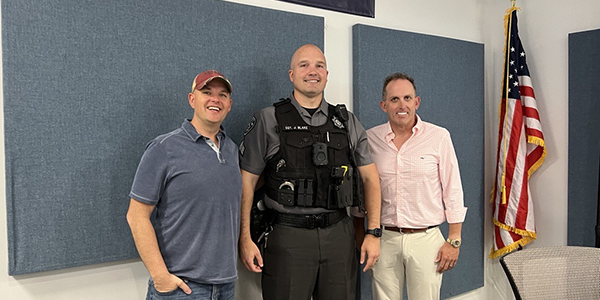
Sergeant Jeremy Blake with the Cobb Sheriff’s Office discusses the astounding capabilities of their drone program to serve in a first response situation and even deliver medical supplies. He also addresses how drones can be misused by criminals since drone technology is growing faster than legislation to provide regulation in this cutting-edge field.

Categories
Blogs

Myth Busting: 5 Common Bail Bond Misconceptions

There’s no shortage of misinformation out there about bail bonds. TV series and rumor mills have made it tough to separate fact from fiction. Luckily, A 2nd Chance Bail Bonds has put together the following list of five common myths to help you better understand the bail bond process:

1. Bail Bonds Are Only for Serious Crimes

Primetime courtroom dramas and big-budget Hollywood movies have people believing that bonds are only applicable for high-profile crimes. But that’s simply not true! Contrary to popular belief, bail bonds aren’t just for high-profile crimes. Even for minor offenses like traffic violations or drug possession, a bail bond might be required. You can post bail for a wide range of offenses. They don’t indicate guilt, and they won’t hurt your chances of beating any criminal charges you face, either.

It’s your right to post bail, and bonds are a tool that makes using that right easier. They simply provide a financial guarantee that you’ll show up for your next court date.

2. You Have to Pay the Full Amount

Many people believe that they have to come up with the full amount of bail in cash. In actuality, that’s where bail bonds come in to save the day. Companies like A 2nd Chance Bail Bonds will cover up to 90% of the bail’s value, leaving you to only have to provide the remaining 10%. Say, for instance, that your loved one has their bail set at $5,000. You can provide $500, and we’ll cover the rest.

3. Bondsmen Can Negotiate the Bail Amount

Bond companies don’t have any say in how much one’s bail is set at. That’s up to the judge, who will assess a variety of factors when determining that amount, including the nature of the crime, prior offenses, and whether the defendant is considered a flight risk. Bondsmen are meant to make the process smoother and help individuals meet their bail conditions.

4. Missing Court Is No Big Deal

Failure to appear in court is a serious issue. You will forfeit bail if you don’t show up for your hearing or court date, but that’s not even the worst part. The judge could issue a warrant for your arrest, and you may even face additional charges.

Make sure to attend all hearings and court dates. The bail bond company is putting its money and reputation on the line by giving you the opportunity to stay out of jail while waiting for your court date. Honor that trust by doing the right thing.

5. Bonding Out Will Hurt Your Reputation

Bonds are legal tools designed to help you return to your daily life while you await trial and court hearings. They are not a reflection of your character. Reaching out to a bondsman shows you are exercising your rights and handling a difficult legal situation responsibly. Don’t worry about what others will think of you if you’ve been arrested. Worry about what truly matters: moving on with your life.

Need Help with Bonding?

Don’t let myths about bail bonds keep you from exercising your legal rights. If you need help understanding bail bonds in the metro Atlanta or Birmingham area, A 2nd Chance Bail Bonds has you covered! Our company will walk you through the bail process and get you out fast.

Categories
Podcast

Pop Quiz! Which vehicle causes 78% of the crashes between a car and truck? The answer: Back Your Blue Ep. 30

Did you know that 78% of crashes involving tractor trailers and noncommercial vehicles are caused by the light vehicle? Mike Lutzenkirchen with the Lutzie 43 Foundation visits Back Your Blue to talk about the Safe Driving Summits coming up across the state this new school year, including a summit at Marietta High School. Students are learning safe driving strategies and statistics that even seasoned drivers don’t know.